Optimizing the interaction between humans and complex technology.
I sit at the intersection of cognitive psychology and systems engineering, focused on making complex technology feel like a natural extension of the human mind.
कर्मण्येवाधिकारस्ते मा फलेषु कदाचन |
Karmanye vadhikaraste, Ma phaleshu kadachana.
(Focus on the integrity of the process; the results will follow their natural course.)
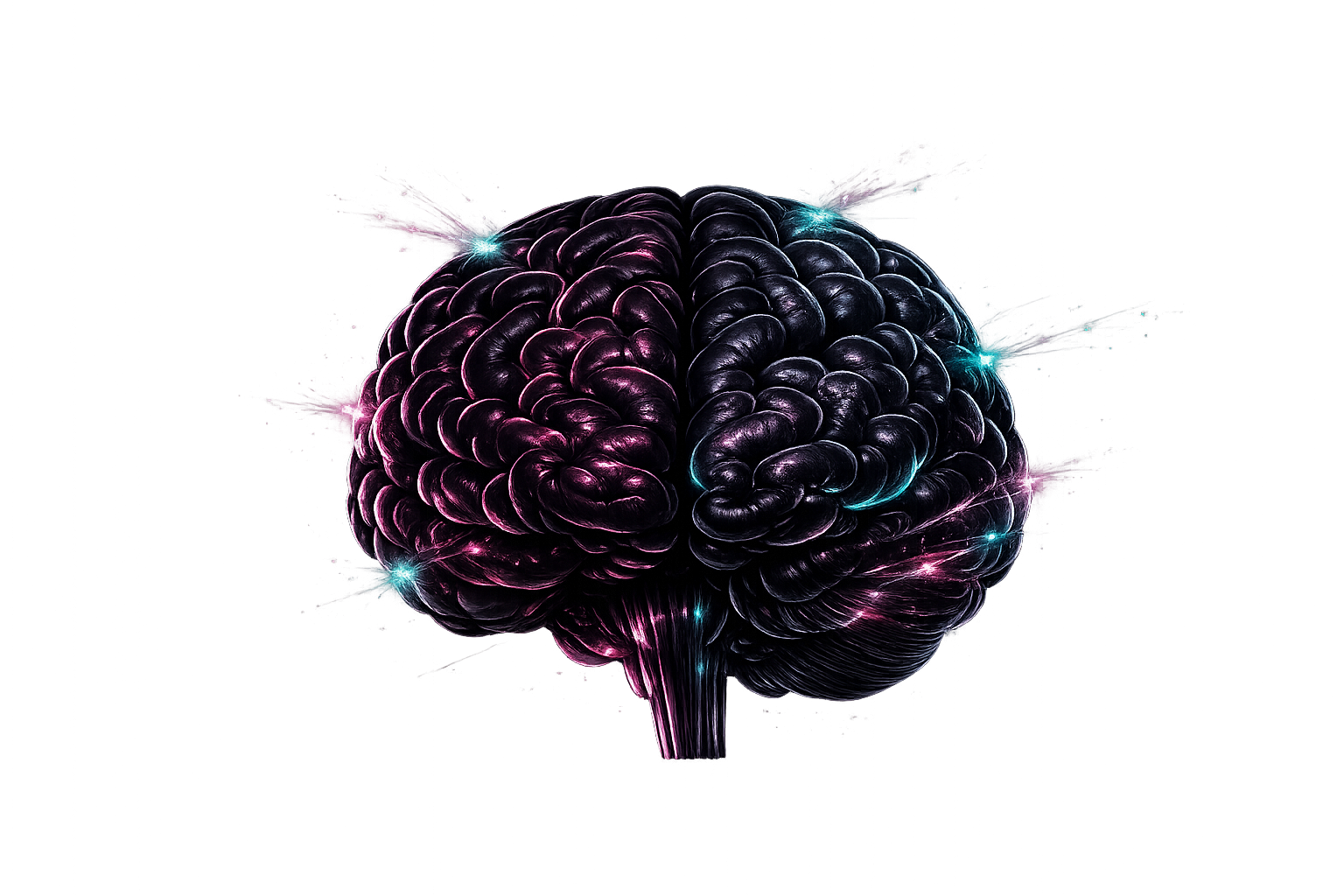
Prefrontal
Parietal
Temporal
Occipital
Research Strategy & Planning
Designing actionable studies that balance objectives with user needs.
Information Architecture
Structuring complex data into spatial maps. If users get lost, my Parietal lobe feels a direct sense of responsibility.
Intuitive System Dialogue
Interaction flows that mirror the user’s natural dialogue. Reducing cognitive friction.
Attentional Saliency
Optimizing for scanning patterns, capturing critical info within 200ms.
— Don Harris
Research Note // Understanding why pilots follow checklists better than I remember my car keys. Essential for keeping high-stakes environments from becoming high-velocity accidents.
— Andy Field
Research Note // Came for the p-values, stayed for the cats and weird jokes. Learning to make R scream less and visualize more.
Forvia Hella (L-LAB)
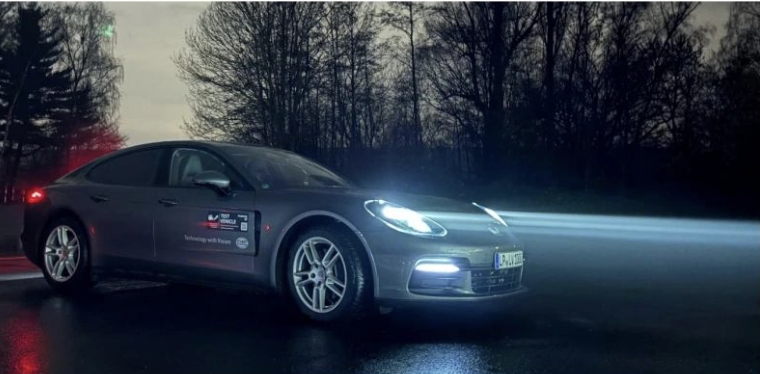
As part of my Master’s thesis, I am leading a validation research aimed at measuring driver’s physiological responses in different headlight distribution systems. My work involves designing the experimental studies, analyzing physiological signals such as ECG data, and interpreting physiological responses and driving performance across diverse conditions.
Checkmk GmbH
Redesigning complexity for IT professionals. I spearheaded a comprehensive accessibility audit for the design system to ensure WCAG compliance, focusing on reducing visual load and improving usability for high-density monitoring interfaces.
Gurugram, India
In addition to my established duties as a Behaviour Analyst, I assumed leadership over systems design and clinical oversight. I mentored a team of 5, developing quality management frameworks that ensured 100% compliance across longitudinal clinical datasets.
The foundation of my Human Factors journey. I applied Task Analysis (TA) and systematic observation to decode complex human behaviors, designing individualized learning programs by analyzing performance trends and iterative data loops.
A real-time driving study conducted with Forvia Hella evaluating human factors for minimum and maximum headlight distribution. Measuring driver physiological responses to develop sustainable adaptive lighting systems.
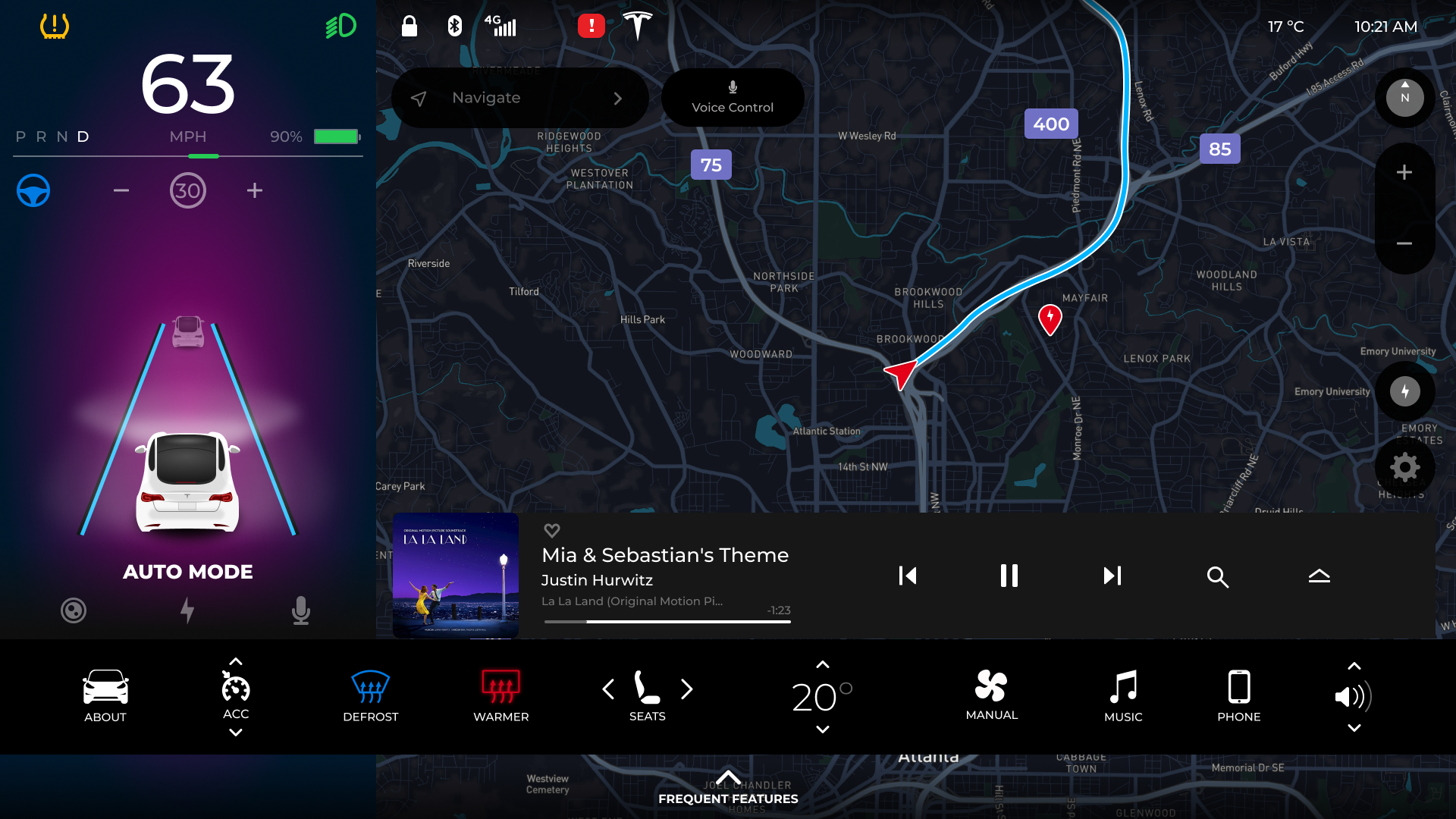
Identifying accessibility and efficiency challenges in the digital cockpit using eye-tracking. Developed and tested a redesigned prototype aimed at mitigating safety risks.
Objectively assessing eye-tracking data to determine how packaging design elements influence consumer preference between stimuli.
A controlled psychological experiment measuring typing speed and accuracy across Dark vs. Light mode to determine the optimal interface for cognitive efficiency and reduced visual fatigue.
I don’t start with methods. I start with risk. What decisions are being made? What assumptions are unvalidated? Where could user error create downstream cost or safety issues? If research won't influence a decision, I don't run it.
Not all friction is equal. I look at severity, frequency, recoverability, and system impact. A minor annoyance that occurs thousands of times may matter more than a rare critical error. I frame findings in terms of performance and consequence—not just preference.
I break them down into tasks, decisions, and cognitive load. Complexity often hides in transitions like handoffs, mode changes, or unclear feedback. I map workflows, identify failure points, and examine how the system supports (or fails to support) user reasoning.
Assumptions that go unexamined. Especially the quiet ones about user attention, memory, context, or behavior. Small assumptions, left unchecked, compound into friction or risk. I’ve learned that careful questioning early prevents expensive correction later.